

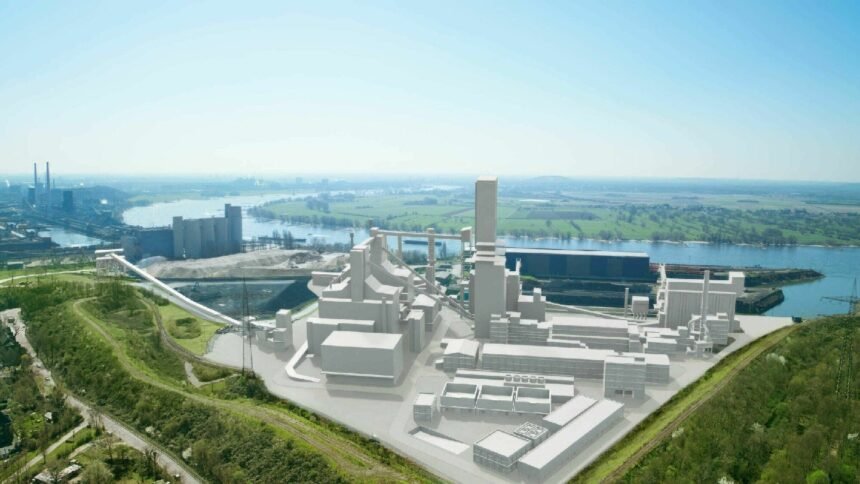
Volkswagen Group has recently signed a memorandum of understanding (MoU) with Thyssenkrupp Steel at the International Suppliers Fair (IZB) in Wolfsburg, Germany for the supply of low-carbon steel. This collaboration is scheduled to commence in 2028, with steel provided from Thyssenkrupp’s upcoming direct reduction plant, which is expected to result in a significant reduction in carbon emissions.
Thyssenkrupp’s direct reduction plant, set to be operational from 2027, will utilize hydrogen and green electricity to produce bluemint Steel. This innovative approach aligns with the growing trend towards sustainable manufacturing processes and environmental responsibility. Dennis Grimm, Thyssenkrupp Steel executive board spokesman, emphasized the importance of this partnership in decarbonizing key industrial processes in Germany.
Initially, natural gas will be used during the ramp-up phase, with a transition to hydrogen planned to further decrease the carbon footprint. The bluemint Steel produced by Thyssenkrupp will be certified to recognized standards and has the potential to achieve the LESS Label A for near-zero emissions if renewable hydrogen is utilized.
In addition to the supply of low-carbon steel, the partnership between Volkswagen and Thyssenkrupp extends to the development of economical lightweight solutions for stable vehicle structures and electrical steel for electric drive systems. This initiative forms part of Volkswagen’s broader efforts to incorporate green steel into its production processes, aligning with the company’s goal of achieving carbon neutrality by 2050.
By reducing the carbon emissions associated with steel used in its electric vehicles, Volkswagen stands to benefit significantly from this agreement. Dirk Große-Loheide, Member of the Board of Management of the Volkswagen Brand responsible for Procurement, highlighted the strategic importance of using low-carbon steel in Volkswagen’s supply chains to enhance environmental sustainability.
Overall, this collaboration between Volkswagen and Thyssenkrupp represents a significant step towards a more sustainable future in the automotive industry. By embracing innovative technologies and eco-friendly practices, these companies are paving the way for a greener and more environmentally conscious approach to manufacturing.