

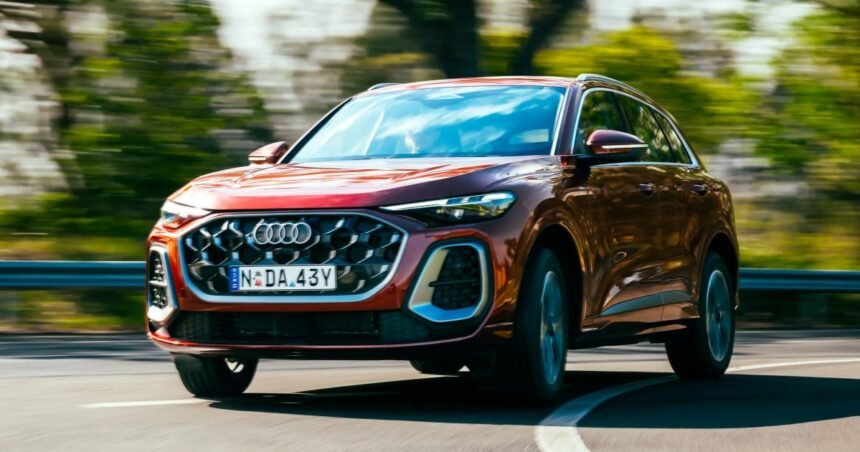
Audi’s commitment to the Q5 mid-size SUV is evident in the brand’s focus on the model both globally and in Australia. Since its launch in 2009, the Audi Q5 has gained popularity, finding around 1.6 million homes worldwide and 25,000 customers in Australia across its first two generations. The recent launch of the third-generation model signifies a significant milestone for the nameplate, as it is the first Audi SUV to utilize the Premium Platform Combustion (PPC) architecture, shared with the new A5 Sedan and Avant.
The new Audi Q5 is fully electrified, featuring a range of 48V mild-hybrid ‘MHEV plus’ drivetrains that allow for electric driving at low speeds. The lineup includes options like the entry-level Q5 four-cylinder TFSI 150kW and the flagship SQ5 TFSI. Additionally, a new e-hybrid (plug-in hybrid) powertrain is set to join the lineup, offering up to 100km of WLTP-certified electric range.
At the recent Australian press launch in Queensland, attendees had the opportunity to experience the new Audi Q5 on local roads, testing all three engine variants. The question remains whether the 2026 Audi Q5 range has what it takes to outshine competitors like the BMW X3 and Mercedes-Benz GLC in the sales charts.
In terms of pricing, the base model Audi Q5 TFSI 150kW starts at $81,000 plus on-road costs, representing a significant increase over its predecessor. Despite the price hike, Audi Australia promises added value with enhanced standard equipment and advanced 48V MHEV technology. The Audi Q5 remains competitively priced compared to rivals like the BMW X3 and Mercedes-Benz GLC, offering a more affordable option for buyers.
Looking ahead, Audi plans to introduce the new Audi Q5 Sportback later this year, with plug-in e-hybrid versions expected in 2026. The brand’s focus on innovation and electrification is evident in the Q5 lineup, promising a blend of performance, efficiency, and luxury.
Inside, the new Audi Q5 showcases Audi’s latest display technology, including the ‘Digital Stage’ with the brand’s newest user interface. The driver is greeted by a new four-spoke steering wheel and an 11.9-inch ‘virtual cockpit’ digital instrument cluster, complemented by a 14.5-inch MMI touchscreen infotainment system. The OLED technology enhances brightness, depth, and clarity, delivering an immersive and user-friendly experience for drivers.
While some may prefer the conventional speedo and tacho dials of the previous generation, the new virtual cockpit offers a modern and adaptive display with live assist tech views. The integration of smartphone maps into the sidebar widgets adds convenience for drivers. Overall, the interior of the new Audi Q5 is a blend of sophistication and technology, setting a new standard for mid-size SUVs in its class. The Audi Q5 is equipped with a ledge below the screen that serves as a resting place for your hand while making touch inputs on the move. This ledge provides a comfortable position for your hand and offers satisfying haptic feedback, enhancing the overall user experience.
Similarly, the steering wheel controls in the Audi Q5 look like touch-capacitive units but deliver haptic feedback that simulates the feel of real buttons. While this feature is innovative and modern, some users may miss the tactile clickiness of Audi’s previous-generation buttons.
For those looking to enhance their driving experience, the MMI passenger-side display can be added to the Q5 Sport as part of the Tech Pro package. This display extends the central interface with app and streaming functionality while also including a privacy filter to prevent distractions for the driver. However, some users may find the 10.9-inch display to be underwhelming.
In terms of build quality, the Audi Q5 boasts a high level of craftsmanship, surpassing the previous generation with improved materials and design. While it may not match the luxury ambience of the Q8, it excels when compared to rivals such as the BMW X3 or Mercedes-Benz GLC.
Moving to the rear seats, the Audi Q5 offers adequate space for passengers, although taller individuals may find legroom to be slightly limited. Despite a slight increase in overall length, the wheelbase remains relatively unchanged, resulting in a comfortable yet not outstanding rear passenger experience.
The rear amenities in the Audi Q5 include a third zone of climate control, directional vents, USB-C charge ports, net-type map pockets, door bins, a fold-down center armrest with cupholders, and ISOFIX and top-tether child seat anchor points, catering to the needs of passengers of all ages.
Cargo capacity in the Audi Q5 is quoted at 520 liters with the rear seats in use, expanding to 1473 liters with the seats folded down. While the Q5 retains its five-seat capacity, it has seen a slight decrease in two-seat volume compared to previous models. The Australian model also includes the ‘Storage and compartment package’ which adds additional storage options.
Under the bonnet, the Audi Q5 features a pair of four-cylinder engines with 48V mild-hybrid assistance – one petrol and one diesel. The petrol variant is front-wheel drive, while the diesel variant comes exclusively with quattro all-wheel drive. Both engines deliver a balance of power and efficiency, making the Audi Q5 a versatile choice for drivers.
Looking ahead, Audi Australia has confirmed that a plug-in e-hybrid version of the Q5 will be introduced in the near future, further expanding the range of options available to consumers. Overall, the Audi Q5 continues to set the standard for luxury SUVs with its combination of premium features, advanced technology, and refined performance. Audi has introduced two new versions of the Q5 globally, offering different power outputs of 220kW and 270kW, both equipped with a 2.0L turbo-petrol engine. The highlight of the new Q5 e-hybrid range is the inclusion of a 105kW electric motor and a 25.9kWh (gross) battery, providing an impressive electric range of up to 100km according to WLTP testing. The more powerful version of the hybrid model can accelerate from 0-100km/h in just 5.1 seconds and reach a top speed of 250km/h.
In addition to the hybrid models, the only other available powertrain in Europe is the quattro version of the TFSI 150kW engine. There is speculation about the introduction of a V6 TDI option in the future, and Audi Australia has expressed interest in offering a six-cylinder diesel-powered Q5 if it becomes available.
During a test drive on the Gold Coast, we had the opportunity to experience both the TFSI and TDI quattro versions of the new Q5. The TDI quattro, finished in a striking Sakhir gold paint and equipped with optional 20-inch alloy wheels, offered a smooth and refined driving experience. The standard suspension setup with frequency-selective damping provided a sporty yet comfortable ride, while the diesel engine delivered ample torque and impressive fuel efficiency.
On the other hand, the front-wheel-drive TFSI variant was noted for its refined engine sound and willingness to rev, although it lacked the low-end torque of the diesel model. Both powertrains exhibited excellent transmission performance and overall drivability, with the diesel model achieving around 5.0L/100km on the highway and the petrol model averaging in the sevens on twisty B-roads.
In terms of technology, the Audi Q5 is well-equipped with advanced driver assistance features, although some functions, such as semi-autonomous highway driving, are not currently available in the Australian market. Audi is working on software updates to introduce these features in future models, with the possibility of retrofitting them to existing vehicles. Despite some feature limitations for the Australian market, the Q5 offers a comprehensive suite of safety and convenience technologies, including adaptive cruise control.
Overall, the Audi Q5 impresses with its versatile powertrain options, refined driving dynamics, and advanced technology features. With the potential for future updates and enhancements, the Q5 remains a strong contender in the competitive luxury SUV segment. The Audi Q5 is a family SUV that comes with a range of assistance technologies to enhance safety and convenience. These include adaptive cruise control with stop and go, lane departure warning and lane-keep assist, and blind-spot monitoring with rear cross-traffic assist. The standard surround cameras with front and rear parking sensors make it easier to maneuver this 4.7m-long and 1.9m-wide vehicle in tight spaces.
The Q5 comes in two trim levels, the standard Q5 and Q5 ‘sport’, which are positioned below the SQ5 ‘edition one’ and the SQ5. The 2025 Audi Q5 comes with a host of equipment highlights, including 19-inch alloy wheels, matrix LED headlights, S line exterior styling, keyless entry and start, a power tailgate, an 11.9-inch Audi virtual cockpit, and a 14.5-inch MMI touch display with features like 3D navigation, voice control, Apple CarPlay, and Android Auto.
For those looking for additional features, the Q5 TDI quattro sport trim level adds 20-inch alloy wheels, a panoramic sunroof, sport front seats with integrated headrests and S embossing, an S line interior package, and more.
Options for the Audi Q5 include the Premium package, which adds a head-up display, Bang & Olufsen 3D premium sound system, color interior ambient lighting, USB interfaces with higher charging capacity, and acoustic glazing for front door windows. The Style package adds 20-inch Audi Sport alloy wheels, black exterior package, and privacy glass, while the Tech pro package includes features like a heated steering wheel, MMI front passenger display, electric steering column, heated outer rear seats, and digital OLED tail lights.
In terms of safety, the Audi Q5 has yet to receive an ANCAP safety rating but already boasts a five-star rating from Euro NCAP. Standard safety features include 9 airbags, active front assist with autonomous emergency braking, adaptive cruise control, driver attention and fatigue monitor, emergency assist, lane departure warning, side assist with blind-spot monitor, and 360-degree cameras.
Overall, the Audi Q5 offers a well-equipped and safe driving experience for families and individuals alike. With its range of assistance technologies and optional packages, the Q5 is a versatile and reliable choice in the SUV segment. The Audi Q5 comes packed with advanced features that make driving a breeze. From park assist plus with parking sensors at the front and rear to semi-autonomous parking, this SUV is designed to help you navigate tight spaces with ease. The tyre pressure loss indicator also ensures that you are always aware of the condition of your tires, keeping you safe on the road.
Audi has taken things a step further by allowing quick access to assistance feature settings through a favorites menu. This feature allows you to choose up to five features that you can easily switch on or off, giving you control over your driving experience. Additionally, Audi has calibrated the Q5’s driver assistance systems locally to ensure optimal performance on Australian roads.
In terms of cost, the Audi Q5 is covered by a five-year, unlimited-kilometer new vehicle warranty with five years of roadside assistance. This provides peace of mind knowing that you are covered in case of any unexpected issues.
Our initial impressions of the Audi Q5 are positive, with the new engine range offering a good balance of performance and efficiency. The TDI quattro, in particular, stands out for its refined and relaxed driving experience, coupled with excellent fuel economy. However, the lack of a full driver assistance suite at launch and the increase in pricing may be a concern for some buyers.
Overall, the Audi Q5 is a solid contender in the premium mid-size SUV segment. While it may not revolutionize the market, it offers a comfortable and enjoyable driving experience. Stay tuned for a more in-depth review after we spend more time behind the wheel in the coming months.
To explore the Audi Q5 showroom and learn more about this impressive SUV, visit the CarExpert website. And if you’re in the market for a new Audi Q5, CarExpert can help you save thousands with great deals. Click here to get started. The world of technology is constantly evolving, with new innovations and breakthroughs being made every day. One of the most exciting developments in recent years is the rise of artificial intelligence (AI). AI has the potential to revolutionize the way we live and work, with applications ranging from self-driving cars to virtual assistants.
One area where AI is making a significant impact is in the field of healthcare. AI-powered technologies are being used to diagnose diseases, predict patient outcomes, and even assist in surgery. For example, some AI algorithms have been trained to analyze medical images such as X-rays and MRIs, allowing doctors to more accurately identify conditions such as cancer or heart disease.
In addition to improving the accuracy and efficiency of medical diagnoses, AI is also being used to personalize treatment plans for patients. By analyzing large amounts of data, AI algorithms can help doctors determine the most effective course of treatment for each individual patient, taking into account factors such as genetics, lifestyle, and medical history.
AI is also being used to improve the patient experience, with virtual assistants and chatbots being used to provide patients with information and support. These virtual assistants can answer questions, schedule appointments, and even provide reminders to take medication. By freeing up doctors and nurses from routine tasks, AI-powered virtual assistants are helping to improve the efficiency of healthcare delivery and reduce the burden on healthcare providers.
Another area where AI is making a big impact is in drug discovery and development. AI algorithms are being used to analyze vast amounts of genetic and molecular data to identify potential drug targets and predict how drugs will interact with the body. This has the potential to greatly accelerate the drug discovery process, leading to the development of new treatments for a wide range of diseases.
Despite the many benefits of AI in healthcare, there are also challenges and concerns that need to be addressed. One of the biggest concerns is the potential for bias in AI algorithms, which can lead to disparities in healthcare outcomes for different populations. For example, if an AI algorithm is trained on data that is not representative of the population as a whole, it may produce biased results that favor certain groups over others.
Another concern is the potential for AI to replace human healthcare providers, leading to job loss and a reduction in the quality of care. While AI has the potential to improve the efficiency of healthcare delivery, it is important to ensure that it is used in a way that complements and enhances the work of human healthcare providers, rather than replacing them.
Overall, the rise of AI in healthcare is an exciting development that has the potential to revolutionize the way we approach healthcare delivery and treatment. By harnessing the power of AI, we can improve the accuracy and efficiency of medical diagnoses, personalize treatment plans for patients, and accelerate the drug discovery process. However, it is important to address the challenges and concerns associated with AI in healthcare to ensure that it is used in a way that benefits all patients and healthcare providers. The COVID-19 pandemic has brought about significant changes in our daily lives, impacting everything from the way we work to the way we socialize. One of the most noticeable changes has been the increase in remote work, with many companies opting to have their employees work from home to limit the spread of the virus. While this shift to remote work has been necessary for many businesses, it has also raised concerns about the potential impact on employee mental health.
Working from home can be isolating, with many employees missing the social interactions and support that come with being in an office environment. This lack of social connection can lead to feelings of loneliness and isolation, which can take a toll on mental health. Additionally, the boundaries between work and personal life can become blurred when working from home, leading to increased stress and burnout.
To address these concerns, companies are increasingly focusing on ways to support their employees’ mental health while working remotely. One approach that many companies are taking is to provide resources and support for employees to help them maintain their mental well-being. This can include virtual mental health workshops, access to counseling services, and resources for managing stress and anxiety.
Another important aspect of supporting employee mental health during remote work is fostering a sense of community and connection. Companies are finding creative ways to keep employees engaged and connected, such as virtual team-building activities, online social events, and regular check-ins with managers. These initiatives help to combat feelings of isolation and create a sense of belonging among employees.
In addition to providing resources and fostering a sense of community, companies are also encouraging employees to prioritize self-care and set boundaries between work and personal life. This can include taking regular breaks, setting specific work hours, and creating a designated workspace to separate work from relaxation. By encouraging employees to prioritize their well-being and establish healthy boundaries, companies are helping to prevent burnout and promote overall mental health.
Overall, the shift to remote work during the COVID-19 pandemic has highlighted the importance of supporting employee mental health in new and innovative ways. By providing resources, fostering community and connection, and encouraging self-care, companies can help employees navigate the challenges of remote work and maintain their mental well-being during these uncertain times. As we continue to adapt to the new normal of remote work, it is essential for companies to prioritize employee mental health and well-being to ensure a healthy and productive workforce. The world of fashion is ever-evolving, with trends coming and going faster than we can keep up. From the runways of Paris to the streets of New York, fashion is a form of self-expression that knows no bounds. In recent years, sustainability has become a hot topic in the fashion industry, with many brands and designers taking steps to create more eco-friendly and ethical clothing.
One brand that is leading the way in sustainable fashion is Stella McCartney. The British designer has long been an advocate for animal rights and environmental conservation, and her eponymous label reflects these values. McCartney’s collections feature vegan leather, organic cotton, and recycled materials, making them both stylish and sustainable.
Another brand making waves in the world of sustainable fashion is Reformation. This Los Angeles-based label is known for its trendy designs and commitment to ethical manufacturing practices. Reformation uses sustainable fabrics like Tencel and deadstock materials to create their chic clothing, and they also prioritize transparency in their supply chain.
In addition to individual brands, there are also initiatives within the fashion industry that are working to promote sustainability. The Sustainable Apparel Coalition, for example, is a group of companies that are committed to reducing their environmental impact and improving working conditions in their supply chains. The coalition has developed the Higg Index, a tool that helps brands measure and track their sustainability performance.
Consumers are also becoming more conscious of the environmental and social impact of their clothing choices. Many are opting to support brands that prioritize sustainability and ethical practices, and are willing to pay a premium for clothing that is made with care for the planet and its people.
As the fashion industry continues to grapple with issues of sustainability, it is clear that change is on the horizon. Brands like Stella McCartney and Reformation are leading the way, showing that it is possible to create stylish clothing without harming the planet. With more consumers demanding transparency and accountability from fashion brands, the future of sustainable fashion looks bright. The world of technology is constantly evolving, with new innovations and advancements being made every day. One of the most exciting areas of development in recent years has been in the field of artificial intelligence (AI). AI refers to the simulation of human intelligence in machines that are programmed to think and learn like humans. This technology has the potential to revolutionize industries across the board, from healthcare to finance to transportation.
One of the key areas where AI is making a significant impact is in the field of healthcare. AI has the potential to revolutionize the way healthcare is delivered, making it more efficient, accurate, and personalized. One of the ways AI is being used in healthcare is in the field of diagnostics. AI-powered algorithms can analyze medical images, such as X-rays and MRIs, to detect patterns and anomalies that may not be visible to the human eye. This can help doctors make more accurate diagnoses and recommend appropriate treatment options.
AI is also being used to improve patient outcomes through personalized medicine. By analyzing large amounts of data, AI can help doctors tailor treatment plans to individual patients based on their genetic makeup, lifestyle, and medical history. This can lead to more effective treatments and better outcomes for patients.
In addition to diagnostics and personalized medicine, AI is also being used to streamline administrative tasks in healthcare. AI-powered chatbots and virtual assistants can help patients schedule appointments, fill out paperwork, and get answers to common healthcare questions. This can free up time for healthcare providers to focus on delivering high-quality care to their patients.
AI is also being used in the financial industry to improve efficiency and accuracy. AI-powered algorithms can analyze large amounts of financial data to detect patterns and trends that may not be obvious to human analysts. This can help financial institutions make better investment decisions, reduce risk, and improve customer service.
In the transportation industry, AI is being used to improve safety and efficiency. Self-driving cars, powered by AI algorithms, are being developed to reduce the number of accidents caused by human error. AI is also being used to optimize traffic flow and reduce congestion on roads and highways.
Overall, AI has the potential to revolutionize industries across the board, from healthcare to finance to transportation. By harnessing the power of AI, companies and organizations can improve efficiency, accuracy, and customer service, leading to better outcomes for everyone involved. As technology continues to advance, the possibilities for AI are endless, and the impact it will have on our lives is sure to be profound.