Germany’s Auto Market in July 2025: A Detailed Analysis
In July 2025, the auto market in Germany saw a significant uptick in sales, with 264,802 units sold, representing a 3.4% increase from the previous month and an 11.1% increase from the same period last year. This growth can be attributed to a combination of seasonal promotions and the easing of supply chain issues, as well as the low comparison base from the previous year due to the EU’s Vehicle General Safety Regulation II.
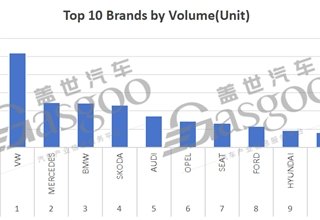
The top 10 best-selling brands in July showcased a mix of German automakers and Chinese brands making notable breakthroughs. German giants like VW, Mercedes-Benz, and BMW maintained their dominance, with VW leading the pack with 51,938 units sold. However, the competition in the premium segment intensified, with Mercedes-Benz and BMW closely competing for market share.
Among the Chinese brands, MG Roewe, BYD, POLESTAR, and XPENG made significant strides in the German market. BYD, in particular, saw a remarkable surge in sales, nearly surpassing Tesla for the first time. Chinese brands capitalized on their technological advancements to attract consumers, even in the face of EU tariff barriers.
In terms of models, internal combustion engine vehicles continued to dominate the top 10 best-selling list, with SUVs being a popular choice among consumers. The BMW iX1 was the only battery electric vehicle to make the list, highlighting the niche potential of premium EVs in Germany.
Looking ahead, Germany’s auto market faces several contradictions. The pace of electrification is slowing down due to limited charging infrastructure and high EV prices. German automakers are grappling with the costs of electrification and fierce competition from Chinese brands. Additionally, external factors like high tariffs on Chinese imports and geopolitical conflicts add further uncertainty to the market.
German auto giants must navigate these challenges by leveraging their expertise in combustion engines and the premium market while also investing in electrification. The market transformation is ongoing, and the competition shows no signs of easing.
Overall, Germany’s auto market in July 2025 reflects a mix of short-term growth and long-term structural challenges, highlighting the need for continued innovation and adaptation in the industry.