

The global electric vehicle (EV) charging infrastructure is set to undergo a significant expansion in the coming years. According to Wood Mackenzie’s Electric Vehicle Charging Infrastructure Forecast, the number of EV charging ports worldwide is projected to grow at a compound annual growth rate of 12.3% between 2026 and 2040, reaching a total of 206.6 million ports by the end of that period.
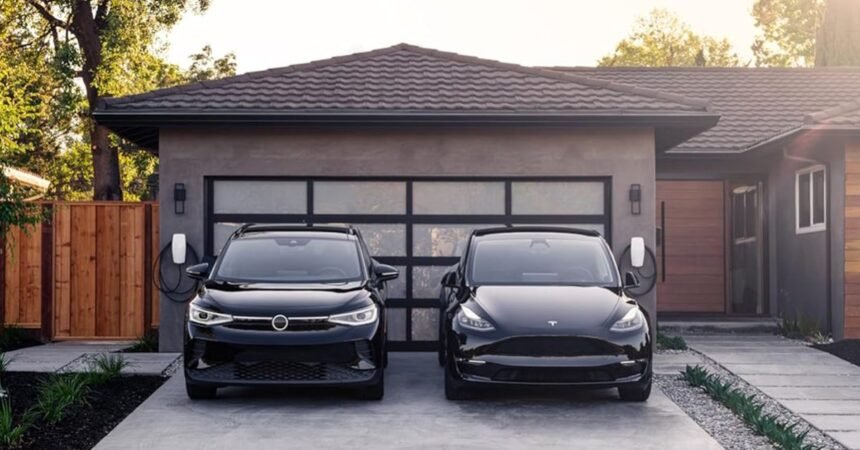
Home charging is expected to lead the way in this growth, with residential charging setups playing a crucial role in supporting the increasing adoption of EVs. By 2040, it is estimated that there will be 133 million residential charging ports installed globally. Annual spending on EV charging infrastructure is forecasted to rise steadily at 8% per year, reaching $300 billion by 2040.
Emil Koenig, a senior research analyst at Wood Mackenzie, highlighted the dominance of Residential Level 2 charging in the global market, accounting for about two-thirds of all charging ports worldwide by 2050. This type of charging is favored by EV owners due to its convenience, performance, and value.
In addition to residential charging, the public charging infrastructure is also expected to expand, albeit at a slower pace compared to home setups. As utilization of public charging stations increases and infrastructure efficiency improves, the ratio of EVs to public chargers is projected to rise from 7.5 battery electric vehicles per charger in 2025 to 14.2 in 2040, according to Oliver McHugh, a senior EV charging research analyst at Wood Mackenzie.
In terms of regional growth, the Asia-Pacific region, led by China, is forecasted to see around 10% annual growth in DC fast charging from 2025 to 2040. India is emerging as a fast-growing market, with its DC fast charger network expected to grow significantly from 14,000 chargers today to 1.1 million by 2040, driven by strong government policies and rapid EV adoption.
The Americas are also keeping pace with the global trend, with the US public fast-charging market projected to grow at a healthy 14% annual rate, reaching 475,000 ports by 2040. South America is expected to ramp up quickly, with residential charging growing at a rate of 22% annually as EV adoption accelerates.
In Europe and the Middle East, public charging infrastructure is set for substantial growth, with Europe expected to see an 11.3% annual increase through 2040. Saudi Arabia is highlighted as a standout player in the Middle East, with its public DC charging segment forecasted to grow at a 29% annual rate, supported by government targets. The entire EMEA region is projected to spend $14 billion annually on public charging and $30 billion on residential charging by 2040.
Overall, the global EV charging infrastructure is poised for a significant expansion in the coming years, driven by increasing EV adoption and supportive government policies. The shift towards electric mobility is reshaping the way we think about transportation, with charging infrastructure playing a key role in enabling this transition towards a cleaner and more sustainable future.