
Electric cars have been gaining popularity in recent years, thanks to their eco-friendly nature and cost-saving benefits. However, one Chevy Bolt EUV owner in Texas took things to a whole new level when they decided to test the limits of their electric vehicle’s capabilities during a recent flood.
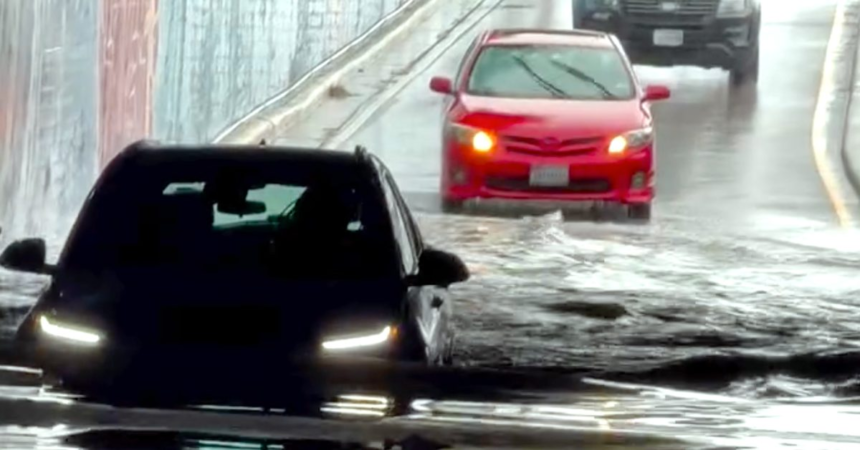
The Texan driver found themselves faced with a tunnel flooded in nearly three feet of water and decided to take matters into their own hands. Ignoring the potential risks, they pushed the pedal to the metal and drove their Chevy Bolt EUV through the flooded tunnel, turning their car into a makeshift boat in the process.
While electric cars don’t have the same intake and exhaust systems as traditional ICE-powered vehicles, making them less susceptible to hydrolocking in deep water, they are not designed to be amphibious. Submerging an electric vehicle in water can have serious consequences, including damage to sensitive electrical components, battery seals, and circuit boards.
Jonathan Lopez from GM Authority warns that water ingress into high-voltage systems can pose safety risks, such as electrical faults or even thermal events. While the Chevy Bolt EUV in this instance managed to make it through the flooded tunnel unscathed, the long-term effects of the water exposure may still emerge.
In conclusion, it’s crucial to remember that electric cars are not amphibious vehicles and should not be treated as such. Attempting to drive an electric car through deep water can have serious consequences and should be avoided at all costs. While the footage of the Chevy Bolt EUV navigating the flooded tunnel may be impressive, it serves as a reminder of the importance of respecting the limitations of electric vehicles.
If you’re considering going solar, it’s always best to consult with reputable installers to ensure you get high-quality solutions at competitive prices. Services like EnergySage can help you find trusted solar installers in your area, saving you money and ensuring a smooth transition to solar energy.