

Kawasaki’s New Electric Motorcycles: A Promising Start with Room for Improvement
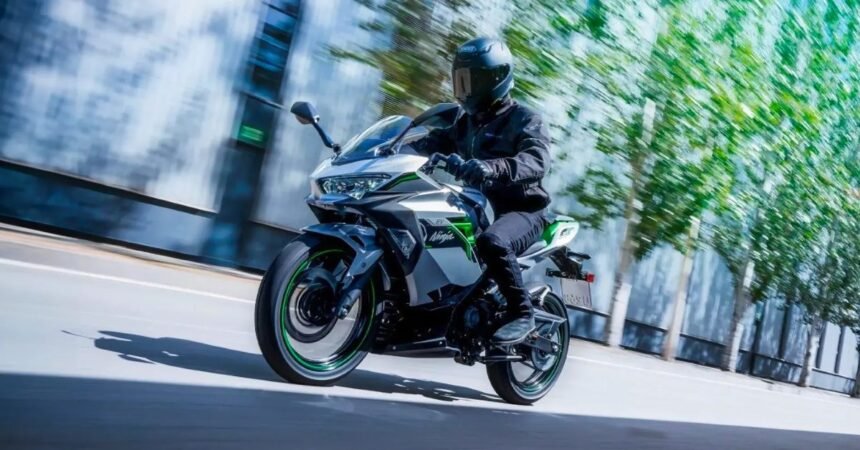
Kawasaki, a renowned legacy motorcycle manufacturer, has finally taken the leap into the electric motorcycle market with the introduction of not one, but two electric models: the Ninja e-1 and Z e-1. These sleek, affordable, and well-designed machines show real promise in the world of electric motorcycles. However, there is one major issue that cannot be overlooked – the small battery capacity.
The total capacity of the battery in these electric motorcycles is a mere 3.0 kWh, divided into two removable packs of 1.5 kWh each. This small battery size raises concerns as it is comparable to some electric bicycles on the market. Electric motorcycles require ample range figures to cater to riders’ needs, and Kawasaki’s decision to equip these bikes with such a small battery limits their potential.
The official city range of these electric motorcycles is rated at 41 miles, which may seem acceptable for urban commuting at first glance. However, real-world conditions such as hills, traffic, weather, and rider weight can significantly reduce this range. The removable dual-pack battery design, while appreciated, may not be the most user-friendly due to the size and weight of the individual packs.
Despite these shortcomings, Kawasaki has managed to get many things right with these electric motorcycles. The bikes boast a fantastic design, high-quality frame and components, and a price tag of under $8,000, making them more accessible than some other electric motorcycles on the market. However, the small battery size sets these bikes apart from the performance expectations associated with the Ninja brand.
In order to truly compete in the electric motorcycle market, Kawasaki needs to address the issue of battery size. A larger battery, along with increased speed and faster charging capabilities, could elevate the e-1 platform to a more competitive level. While Kawasaki should be commended for taking the first step in electrifying their lineup, there is still room for improvement.
Looking ahead, Kawasaki has committed to electrifying more of their lineup in the coming years. With a focus on larger batteries and more ambitious designs, Kawasaki could become a significant player in the electric motorcycle market. As riders demand practical range, usable top speeds, and efficient charging solutions, Kawasaki has the opportunity to lead the way in mainstream electric motorcycles.
In conclusion, while Kawasaki’s e-1 series shows promise, it falls short in terms of battery capacity. By addressing this issue and pushing the boundaries of electric motorcycle technology, Kawasaki has the potential to make a significant impact in the electric motorcycle market. It’s time for Kawasaki to raise the bar and deliver electric motorcycles that meet the needs and expectations of modern riders.