

The recent imposition of tariffs by the Chinese government on certain grades of graphite has put pressure on the US to secure its supply chain of this critical material, especially as the country is ramping up efforts to expand electric vehicle (EV) production and battery manufacturing. Graphite is an essential component for lithium-ion battery anodes, and with China currently dominating the global supply and processing capacity, the new export restrictions are causing concerns for US automakers and battery manufacturers.
In the short term, these tariffs are expected to create bottlenecks and drive up prices for battery-grade graphite. Companies like Tesla, GM, and Ford may face higher input costs, potentially impacting vehicle pricing and manufacturing timelines. This could pose challenges for the rapidly growing EV market in the US, particularly in terms of affordability and production targets.
Automakers are already feeling the pressure, with companies like GM, Ford, and Stellantis reporting significant margin constraints. GM aims to offset 30% of tariff costs through various strategies, while battery producers and retailers are diversifying their supply chains to reduce reliance on China. Graphite producers outside of China, such as Syrah Resources and Nouveau Monde, have seen stock surges as a result of the new US duties.
In response to these challenges, the US Commerce Department has imposed a 93.5% tariff on anode-grade graphite imports from China, affecting materials with a minimum carbon purity of 90%. This move has heightened trade tensions between the US and China, particularly in the critical minerals sector. While US producers may benefit from this tariff, industries dependent on graphite, like EV battery manufacturers, are seeking exemptions and exploring alternative sources.
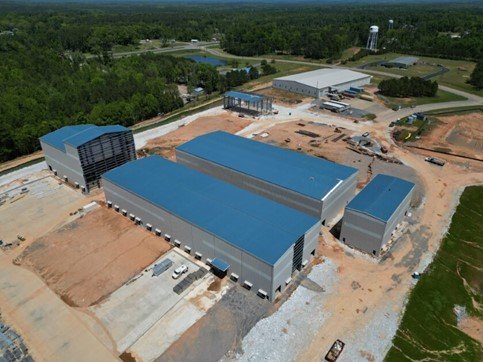
To secure a more resilient supply chain, the US government is intensifying efforts to promote domestic mining and processing projects in states like Alaska and Alabama. Additionally, the US is deepening trade partnerships with graphite-producing countries such as Canada, Australia, and Mozambique to diversify sourcing and reduce dependence on China. These initiatives align with broader clean energy trade policies and aim to ensure a stable and sustainable supply of graphite for the growing EV industry.
Overall, the US is facing significant challenges in securing its graphite supply chain, but with strategic investments and partnerships, the country is working towards a more resilient and diversified sourcing network to support its expanding EV market.