Tesla’s Full Self-Driving (FSD) Promise: What You Need to Know
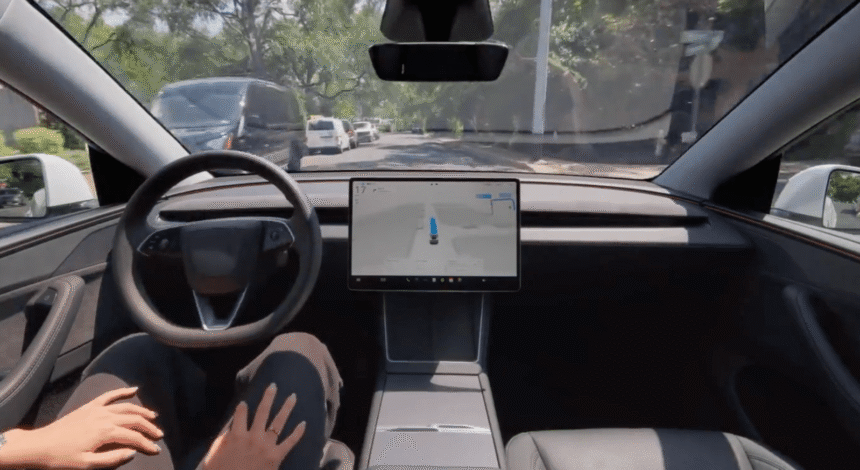
Tesla has been at the forefront of the electric vehicle industry, with CEO Elon Musk leading the charge towards a sustainable future. One of the key features that Tesla has been promoting is their Full Self-Driving (FSD) capability, which promises autonomous driving for their vehicles. However, recent developments have shed light on the true meaning of FSD and what it actually entails for Tesla owners.
Since 2016, Tesla has been touting the idea of unsupervised self-driving capability for all their vehicles in production. Musk has repeatedly claimed that this feature would be available by the end of each year since 2018. Customers were even sold a software package, known as the “Full Self-Driving Capability”, for up to $15,000, with the promise that the system would become fully autonomous through over-the-air software updates.
However, almost a decade later, Tesla has confirmed that vehicles produced between 2016 and 2023 do not have the necessary hardware for unsupervised self-driving as initially promised. While Musk has discussed the possibility of upgrading the computers in these vehicles, there is no concrete plan in place for implementation.
Furthermore, Tesla has now rebranded their FSD package as “Full Self-Driving (Supervised)”, indicating a shift in their language and marketing strategy. The fine print clarifies that the system does not make the vehicle autonomous and does not promise it as a feature. Essentially, customers buying FSD today are not purchasing the capability of unsupervised self-driving as previous buyers were led to believe.
In a recent development, Tesla’s board has proposed an unprecedented CEO compensation package for Musk, which includes milestones such as achieving “10 Million Active FSD Subscriptions”. However, the definition of FSD in this package has been changed to an extremely vague description, leading to speculation about the true intentions behind the rebranding.
The discrepancy between how Tesla presents autonomy to customers and investors versus what is outlined in legal documents is concerning. With the vague definition of FSD in the new compensation package, Tesla could potentially manipulate pricing and features to benefit Musk financially.
The trend of slashing FSD prices coinciding with declining sales raises questions about the true capabilities of the system. FSD is now being perceived as a simple Advanced Driver-Assistance System (ADAS) without any promise of unsupervised self-driving. This raises concerns about false advertising and bait-and-switch tactics employed by Tesla.
In conclusion, the evolution of Tesla’s Full Self-Driving promise highlights the importance of transparency and accountability in the autonomous driving industry. Customers should be aware of the true capabilities and limitations of the systems they are investing in, to make informed decisions about their safety and security on the road.