

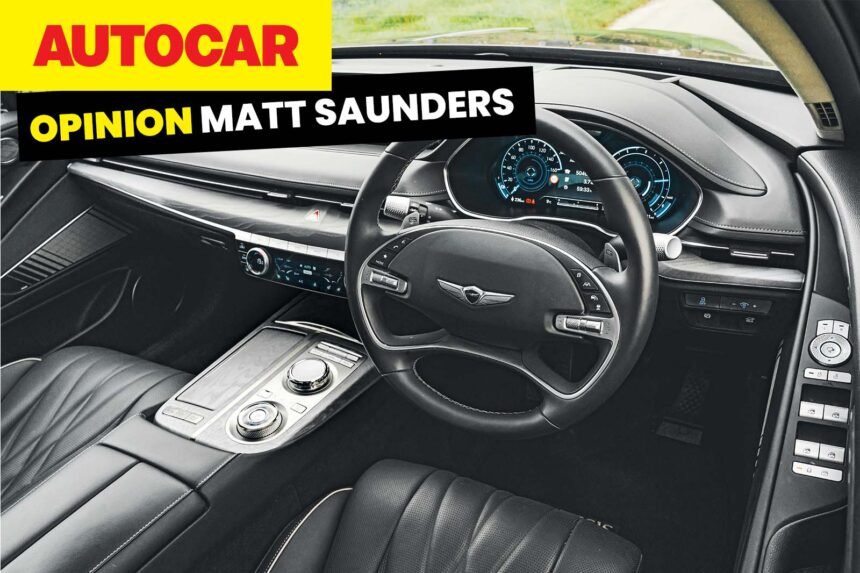
Perceived quality has been a topic of discussion among road testers for many years, playing a significant role in the evolution of the car industry in the 21st century. While manufacturing quality focuses on the production process and the absence of defects, perceived quality is all about the visual and tactile aspects of a car that are immediately noticeable to the consumer.
Unlike manufacturing quality, which involves factors like body panel alignment and paint finish, perceived quality deals with the overall look and feel of a car’s interior. This concept gained prominence in the early 1990s, with German manufacturers leading the way in creating cars with luxurious interiors that exuded a sense of high quality.
One of the earliest mentions of perceived quality in a car review can be found in Autocar’s first drive of the B4-generation Audi 80 Avant in July 1992. Tester Steve Sutcliffe praised the Audi 80’s cabin for being “good to touch, good to look at, and exquisitely finished,” setting a new standard for interior quality.
However, the focus on perceived quality wasn’t limited to luxury or executive models. The introduction of the Mk4 Volkswagen Golf in 1997 marked a turning point in the mainstream market, with Volkswagen aiming to compete with the popular Ford Focus by offering a car with a high level of perceived quality.
Today, perceived quality continues to be a key factor in consumers’ purchasing decisions, with car manufacturers investing heavily in creating interiors that not only look good but also feel premium to the touch. Whether it’s the soft-touch materials, the precision of the switchgear, or the attention to detail in the design, perceived quality plays a crucial role in shaping the overall driving experience.
As road testers, we will continue to evaluate and analyze perceived quality in our reviews, recognizing its importance in defining the success of a car in the competitive automotive market.